Collapsed Drains in Swindon: Signs, Causes and Repair Options
Collapsed drains are a common but serious issue affecting many homes in Swindon and the wider Wiltshire area. A typical underground drainage system is designed to carry waste water away efficiently, but when part of a drain collapses, it can cause significant disruption and damage. Understanding what a collapsed drain is and how to spot the early warning signs is essential for homeowners to prevent costly repairs and protect their property.
Whether you live in Swindon itself or in nearby towns such as Highworth, Wroughton, or Royal Wootton Bassett, collapsed drains can develop due to a variety of local factors including soil movement, tree root intrusion, and ageing infrastructure. This article explains the tell-tale signs of drainage collapse, common causes, how these problems are diagnosed, and the main repair options available to Wiltshire residents.
What is a Collapsed Drain?
A collapsed drain occurs when the structural integrity of a drainage pipe is compromised, causing it to break, cave in, or become crushed. Rather than allowing waste water to flow freely, a collapsed section blocks the system, leading to back-ups and overflow problems. Drain pipes can collapse partially or completely, and the damage often worsens over time if left unaddressed.
Drains are typically made from clay, concrete, or plastic pipes buried underground. In older properties around Swindon and Wiltshire, many drains are made from aging clay, which is more susceptible to cracking and collapse. Modern properties may have plastic pipes which can also fail due to external pressures or ground movement, especially in areas with unstable soil or tree roots nearby.
Signs of a Collapsed Drain
One of the first signs of a collapsed drain is persistent blockages that don’t clear with standard drain cleaning methods. If you notice that sinks, baths, or toilets are slow draining or regularly backing up, it could be an indicator of a collapsed pipe somewhere in the system.
Damp patches appearing in your garden or around the property’s foundations can suggest leaking from a damaged drain. Over time, this moisture can contribute to subsidence issues, which are common in Wiltshire’s clay soil areas. Some homeowners may even observe small sinkholes or depressions forming in their lawn or driveway, which is a clear red flag of underground drain collapse or erosion.
Unpleasant odours near drainage outlets or garden areas can also point towards a breach in the drainage system. If you live in places like Stratton St Margaret, Haydon Wick, or Blunsdon, where older drainage systems might be prevalent, staying alert to these signs can help catch problems early.
Common Causes of Drain Collapse in Swindon and Wiltshire
One of the leading causes of drainage collapse locally is ground movement linked to the clay-rich soils in the area. Clay expands and contracts significantly with changes in moisture content, such as after heavy rain or dry spells, putting pressure on underground pipes and causing cracks or breaks.
Tree roots are another frequent culprit. Trees common in the Wiltshire countryside and suburban gardens nearby, including those in Covingham and Wanborough, have roots that can infiltrate joints in older clay pipes searching for moisture. Over time, roots can cause blockages or even break the pipe walls, leading to collapse.
Age and wear also contribute to pipe failure. Many properties in towns like Chiseldon and Liddington still rely on drainage systems installed decades ago. Over time, materials degrade and joints weaken, increasing the risk of collapse especially when combined with external factors like traffic vibrations or heavy garden machinery.
How Collapsed Drains Are Diagnosed
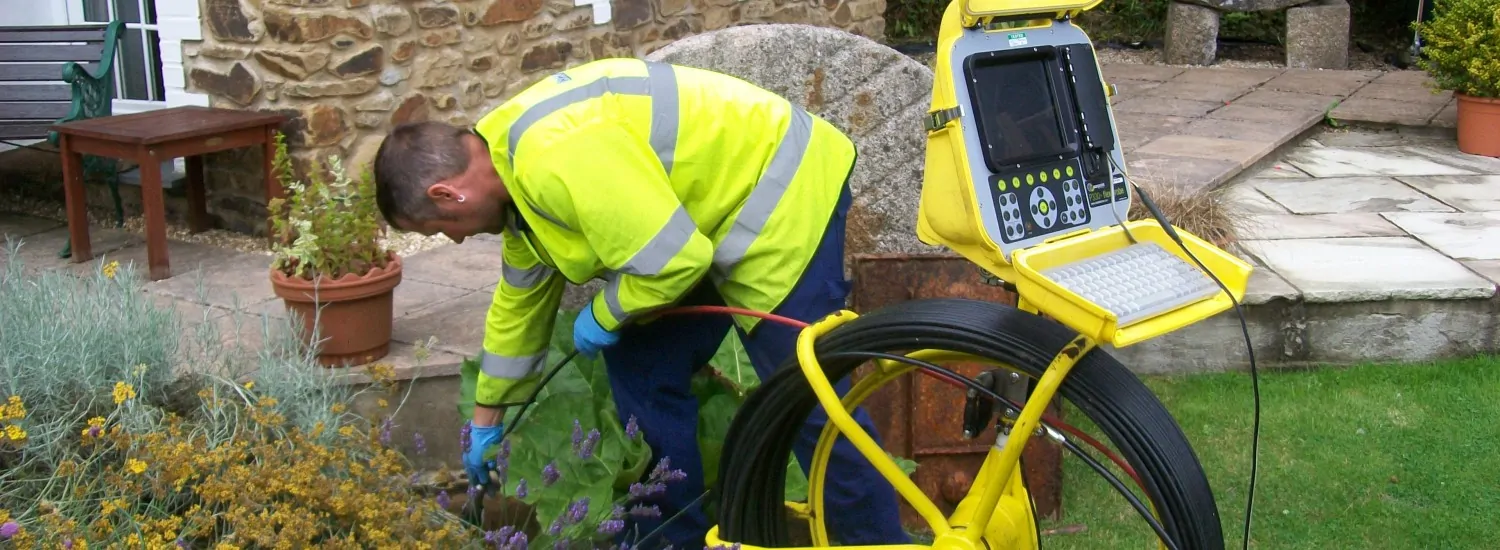
If you suspect a collapsed drain, a professional inspection is usually required to pinpoint the problem accurately. Drain specialists in Swindon often use CCTV drain surveys, which involve sending a small camera through the pipe to visually inspect its condition. This method shows damaged or blocked sections clearly without invasive digging.
In addition to CCTV surveys, specialists may use sonar or laser profiling equipment to measure pipe alignment and detect shifts caused by collapse. These diagnostic tools help produce a detailed report on the extent of damage and guide repair decisions.
In some cases, ground investigations around the property and monitoring for subsidence signs can support the diagnosis. Homeowners in areas like Old Town or Shrivenham should consider periodic checks, especially if their property is on clay soil or if signs like damp patches or unusual lawn depressions appear.
Repair Options for Collapsed Drains
The most traditional repair for a collapsed drain is excavation and replacement of the damaged pipe section. While effective, this process involves digging up the affected area, which can be disruptive and costly, especially for established gardens or paved drives common in residential areas of Swindon and surrounding Wiltshire towns.
An increasingly popular alternative is trenchless repair methods such as pipe relining. This technique inserts a resin-coated liner into the existing pipe, which hardens to form a new, strong internal pipe wall without the need for major excavation. It’s particularly advantageous for narrow streets or properties with limited access.
In severe cases where multiple sections have failed or the system is badly degraded, a full drain replacement might be necessary. Local Swindon drainage professionals can advise on the most appropriate option based on the extent of collapse and your property’s layout.
Preventing Future Drain Collapse
Preventive maintenance is key to avoiding the expense and hassle of collapsed drains. Regular drain inspections, especially for older properties in Wiltshire’s towns like Purton or Royal Wootton Bassett, can identify potential weak spots before failure occurs.
Controlling tree root intrusion by managing garden trees and shrubs near drainage lines helps reduce damage risk. Professional root cutting and chemical treatments are available to protect pipes without harming desirable plants.
Additionally, avoiding disposal of inappropriate materials down drains and protecting drainage systems from excessive surface loads — for instance, by limiting vehicle parking on soft ground — helps maintain pipe integrity over time.
When to Call a Professional in Swindon
If you notice any signs of drain collapse such as persistent blockages, damp patches, or lawn sinkholes, contacting a drainage professional promptly is vital to prevent further property damage. In Swindon and nearby villages like Liddington and Blunsdon, specialists are equipped with the tools and experience needed to diagnose problems accurately and carry out effective repairs.
Early intervention can save you significant time and money. Professionals can also provide advice tailored to local soil conditions and drainage system types common in Wiltshire.
Many local companies offer emergency call-outs and can help homeowners manage insurance claims if structural damage has occurred due to drain failure.
Need a drainage expert in Swindon?
Call 01793 297118