Protecting Your Drains in Winter: Advice for Swindon Homes
Winter in Swindon and the wider Wiltshire area brings a unique set of challenges for homeowners, especially when it comes to maintaining drainage systems. Colder temperatures, increased rainfall, and fallen leaves can all contribute to blocked or damaged drains, which if left unchecked, may lead to costly repairs or water damage inside your home.
Taking proactive steps to protect your drains and pipes before the coldest months arrive can make a significant difference. Understanding how winter weather affects your drainage and what practical checks you can carry out will help keep your system flowing freely throughout the season.
How Cold Weather Affects Drains and Pipes
During winter, the drop in temperature can cause water inside pipes and drains to freeze. When water freezes, it expands, putting pressure on the pipe walls. This expansion can lead to cracking or even bursting of pipes, especially if they’re older or already weakened.
In areas around Swindon and nearby towns such as Royal Wootton Bassett and Wroughton, where properties may have older drainage infrastructure, this risk can be particularly relevant. Frozen pipes also block water flow, leading to backups and possible internal flooding if the blockage worsens.
Furthermore, frost and freezing conditions can make outdoor drainage gullies and soakaways less efficient, causing surface water to pool and increasing the chance of flooding in low-lying parts of your garden or driveway.
The Impact of Fallen Leaves and Blocked Gullies
Wiltshire’s deciduous trees shed leaves in autumn which often end up blocking gullies, drains, and soakaways around your property. This is a common problem in Swindon and surrounding villages like Highworth or Purton where leafy streets and gardens are prevalent.
Blocked gullies prevent rainwater from draining away properly, leading to water pooling on roads or paths and sometimes entering your home’s drainage system, overwhelming it. Over time, accumulated leaves can decompose and create sticky, compacted blockages that are difficult to clear without professional help.
Regular clearing of leaves from gutters, drainage covers, and gullies is key. This can be done by hand or with the assistance of a leaf blower or brush, preferably before the wettest months begin, to reduce the risk of blockages causing water damage.
Heavy Rain and Drain Overload in Winter
Winter in Swindon and Wiltshire often brings heavy and persistent rainfall, which can definitely overwhelm drainage systems if they’re not maintained properly. When drains are partially blocked or gullies clogged, water struggles to flow freely, backing up instead.
This excess water can lead to flooding in gardens, pathways, and occasionally inside basements or ground floors. In towns like Stratton St Margaret and Haydon Wick, where rainfall runoff is common, maintaining a clear drainage system is particularly important to prevent water pooling around buildings.
Ensuring your drainage system is free from debris and is regularly inspected can reduce the pressure on pipes during heavy rainfall and mitigate flood risks. It’s also worth checking that soakaways and drainage channels are clear and functioning correctly.
Practical Checks to Do Before Winter Hits
Start with a thorough inspection of your outdoor drainage points, including gullies, storm drains, and guttering. Remove any debris, leaves, or mud that might block water flow. In Swindon’s older properties, gutters can easily fill with moss and leaves, so clearing these before the cold sets in helps prevent ice dams forming.
Check visible pipes for any existing damage such as cracks or leaks. If you notice any damage, it’s advisable to arrange repairs before temperatures drop further to avoid pipe bursts. In rural areas around places like Liddington or Blunsdon, unprotected pipes are more exposed to freezing, so adding pipe insulation material is a smart precaution.
Don’t forget to check the drainage covers and grids around your property to ensure they’re secure and not displaced by frost or ground movement, which can happen during freeze-thaw cycles common in Wiltshire winters.
Tips to Protect Pipes from Freezing
Insulating exposed pipes with foam sleeves or wrapping them with heating tape is an effective way to prevent freezing. This is especially important for outdoor taps, garden irrigation systems, or pipes located in garages and loft spaces that aren’t heated regularly.
Letting a slow drip of cold water run through taps during extremely low temperatures can also help keep water moving and reduce freezing risk. This simple measure can be particularly useful in properties around Swindon’s outskirts where outside pipes may be more vulnerable.
If you have older properties in Wanborough or Shrivenham, consider consulting a professional about upgrading pipe insulation or installing frost-proof taps to further guard against winter damage.
Managing Blockages Without Causing Damage
Attempting to clear a blocked drain or gully yourself can sometimes cause more harm than good. Avoid using chemical drain cleaners as these can damage pipes, harm the environment, and are often ineffective against solid debris such as tree roots or compacted leaves.
Using a drain rod or a water jet to gently clear obstructions can be suitable for minor blockages but requires some experience to avoid pipe damage. For stubborn blockages or if you’re unsure, contacting a drainage specialist in Swindon or nearby towns is the safest way to ensure drains are cleared properly.
Regular maintenance checks throughout winter can help identify early warning signs of blockages, such as slow draining water, gurgling noises, or unpleasant odours, allowing timely intervention before more serious problems develop.
When to Call a Drainage Professional in Wiltshire
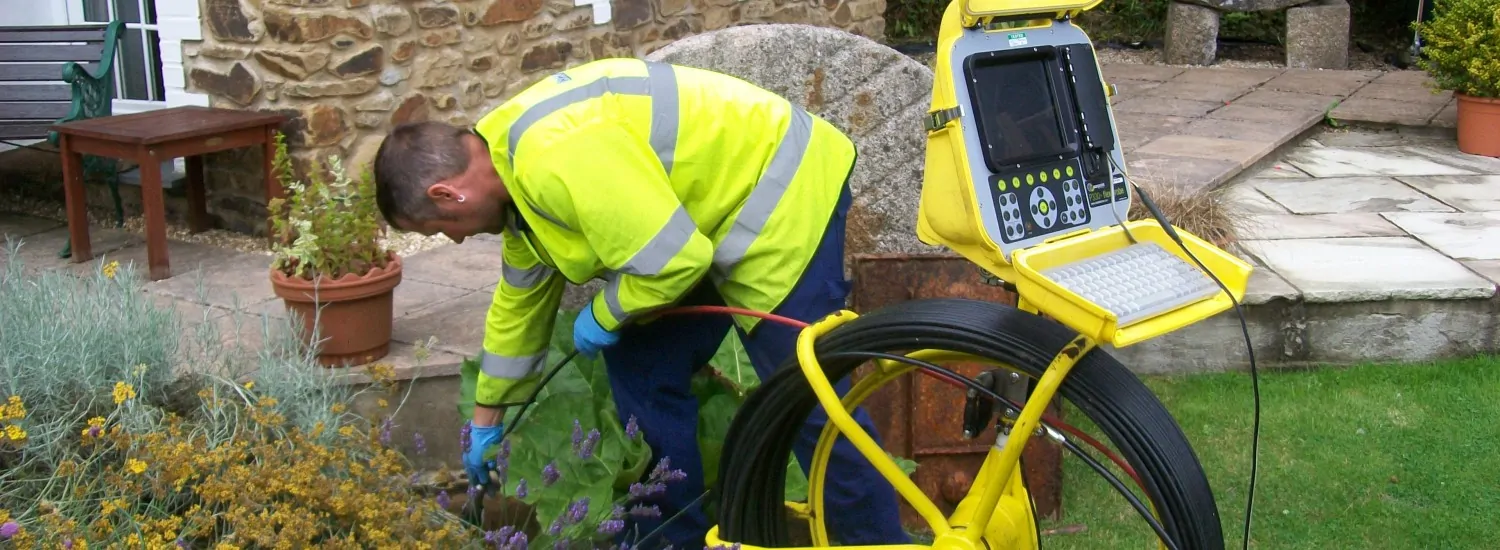
If you notice persistent drainage problems such as repeated blockages, foul smells, or water pooling near your property’s drains, it’s wise to seek professional help promptly. Specialists in Swindon and Wiltshire have the right equipment for thorough inspections, like drain cameras, to diagnose issues accurately.
Early intervention can prevent costly damage to your home’s foundations, gardens, or internal plumbing. Professionals can also advise on drainage improvements suited to local conditions, for example, advising on soakaway repairs or enhancements for homes in flood-prone areas such as Old Town or Covingham.
Remember, regular upkeep combined with expert advice can make all the difference in maintaining a reliable drainage system through the unpredictable Wiltshire winter months.
Need a drainage expert in Swindon?
Call 01793 297118